
From pilot to ownership: IWMI at the UNFCCC TEC AI for Climate Action Forum 2026
A pilot proves that the technology works. Scaling proves that people can own it.
That was the message our Head of the International Cooperation Team, Alisa Luangrath, brought to the UNFCCC TEC AI for Climate Action Forum 2026, held on 13–14 October 2026 at the Shangri-La Hotel in Phnom Penh, Cambodia. Organized by the UNFCCC Technology Executive Committee (TEC) in partnership with KOICA and the Royal Government of Cambodia, the Forum gathered governments, researchers, start-ups and civil society to examine both the opportunities and the risks of AI for climate action in developing countries, with a focus on least developed countries and small island developing States.
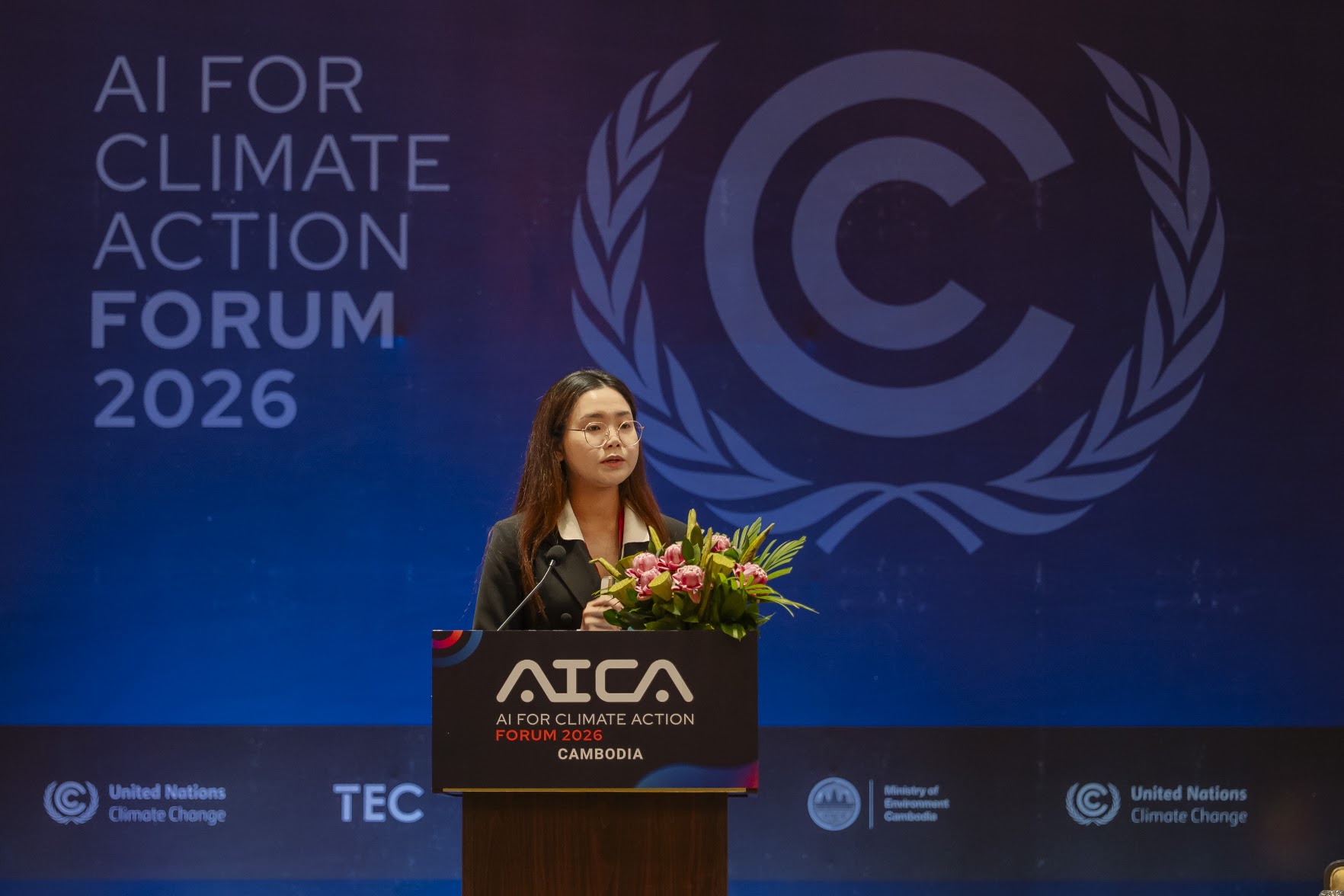
Invited as the UNFCCC AI for Climate Action Award Winner 2025, Alisa spoke in Session 3, “Showcasing Local AI-Powered Solutions for Climate Change Adaptation,” presenting SAFIR: Harnessing AI for Climate-Resilient Irrigation and Water Management — our work to replace guesswork with guidance for farmers in Laos who live with long dry seasons and droughts.
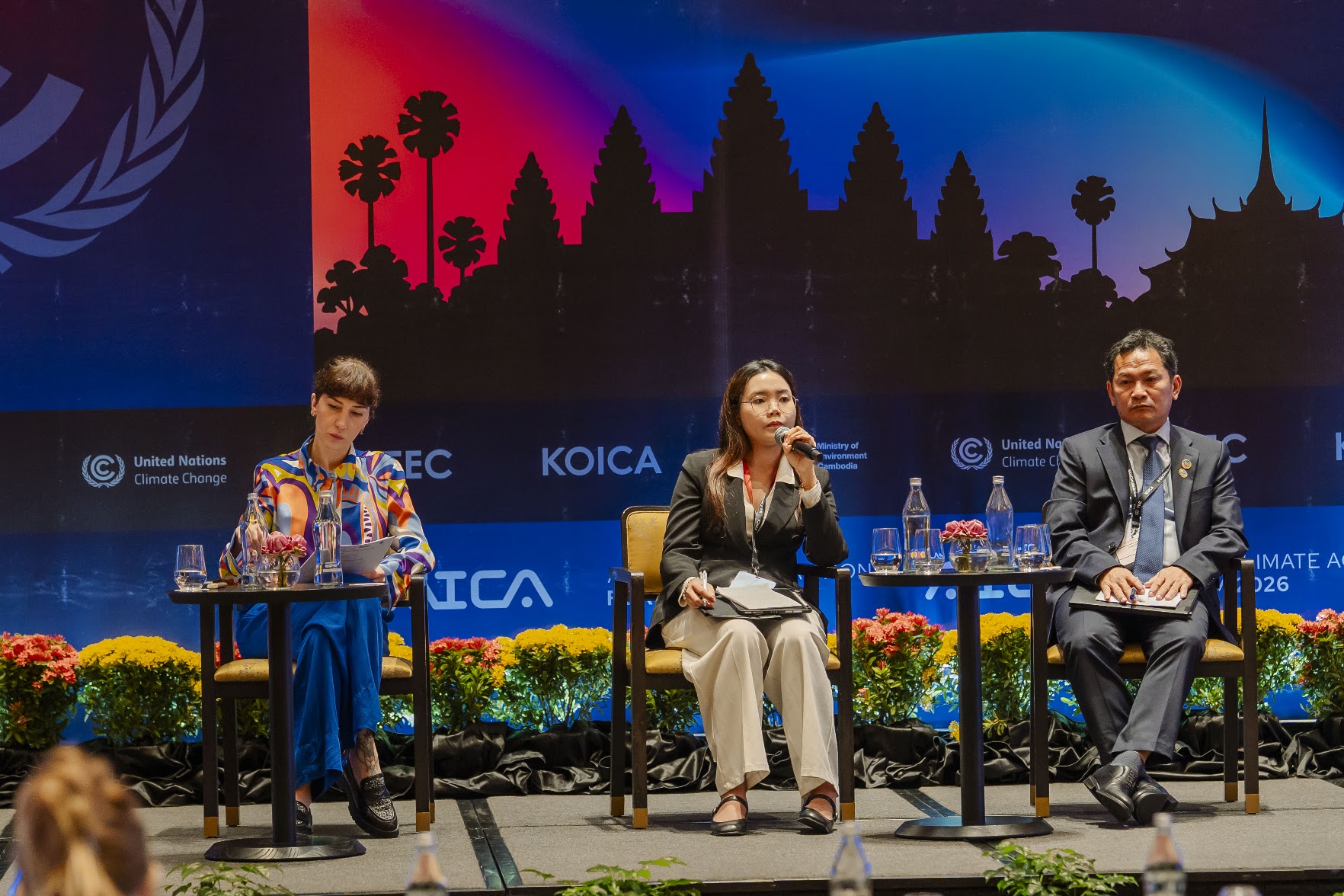
In the panel that followed, she named the three barriers that stop AI climate solutions at the pilot stage, and how SAFIR is designed around them:
- Scarce data. Where weather stations are few and records are short, a model trained elsewhere gives confident but wrong advice. SAFIR combines open global data with a small number of low-cost field sensors and uses AI downscaling to bring forecasts down to the field.
- The last mile. Advice that is not in the local language does not get used. The app is in Lao, and a Water User Association dashboard serves farmers who are less comfortable with smartphones.
- Operation and maintenance after the funding ends. In Laos, community pumps have stopped simply because the electricity bill could not be paid. Solar power cuts running costs, a shared system cuts cost per household, and the Water User Association owns and runs the scheme.
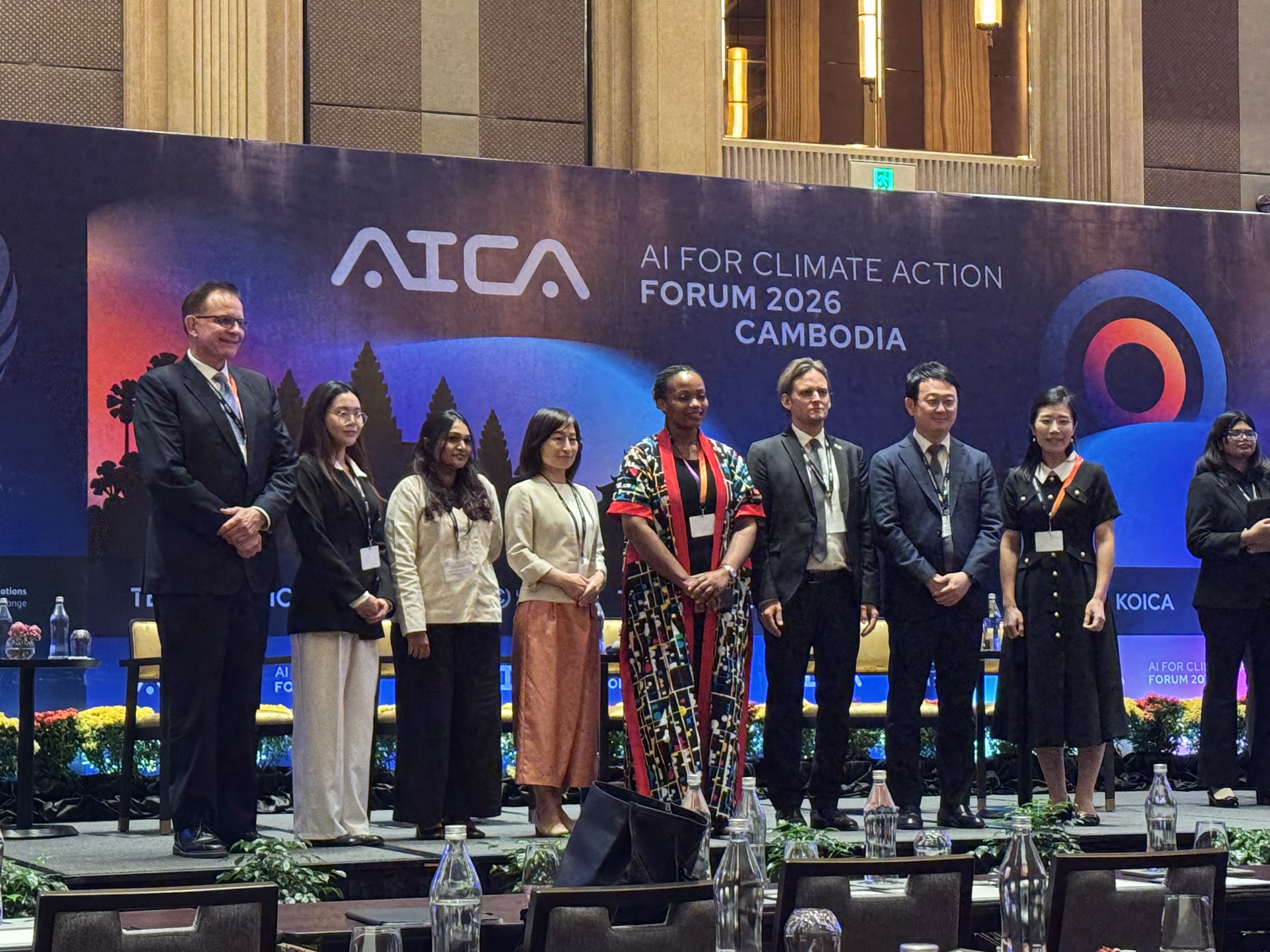
In Session 4, Alisa returned to the stage with this year’s five Award finalists to reflect on the year since COP30 — a year in which she also served on the 2026 judging panel. Her closing line: “The Award is not the finish line. It is the starting line. The real work begins when you take your solution back home, to the people it is meant to serve.”
What comes next: taking SAFIR into the field through a solar-powered on-farm pilot run by a Water User Association, and keeping the platform open as a Digital Public Good so that other countries can adapt it to their own crops, soils and data.
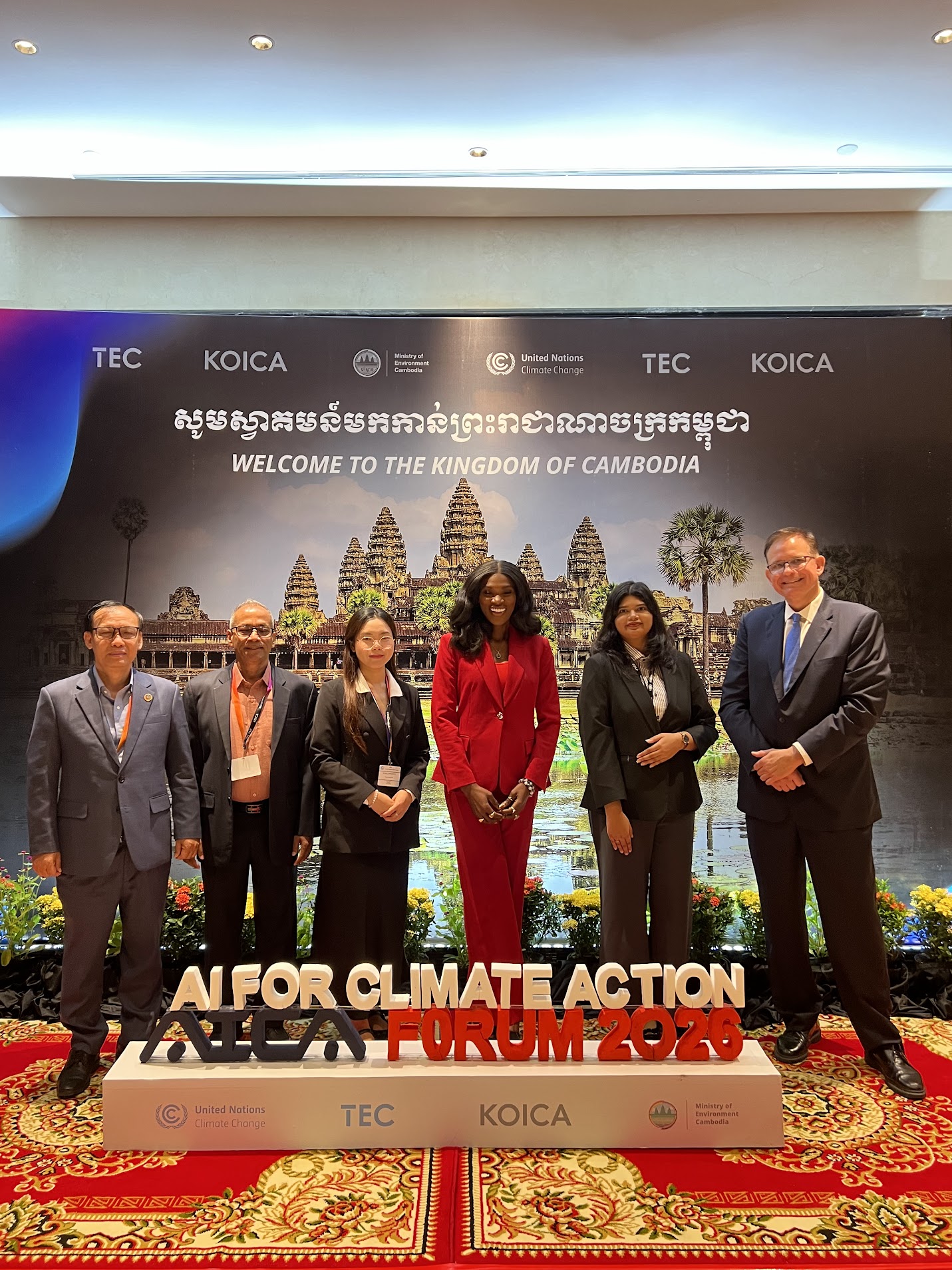
Our thanks to the UNFCCC Technology Executive Committee, the CTCN and KOICA for convening the Forum. Working on AI, climate adaptation or water security in the Mekong region? Let’s connect and explore how we can work together.